Why High-Quality Residential Networks Drive Success for Scraping
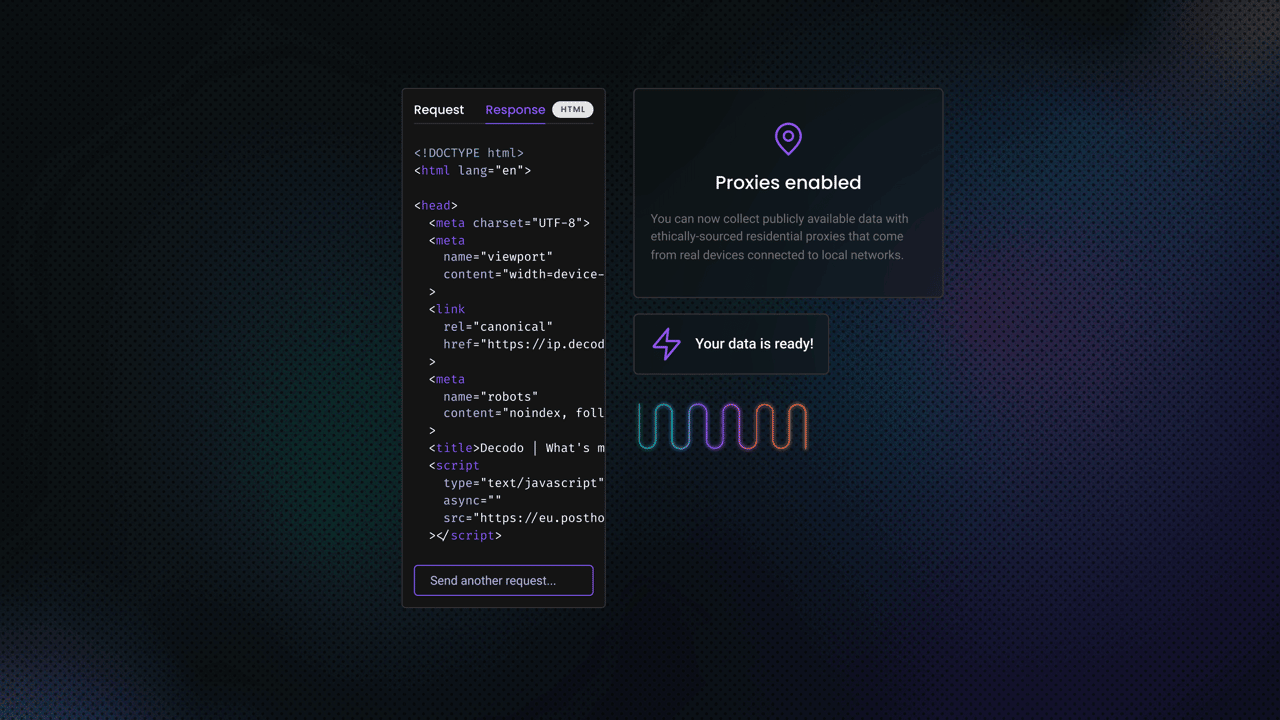
This decision effects both your success rate and expenses. Pulling thousands of items, search results page, or public information where you don't need to keep state. Checking keyword rankings across various locations and gadgets. Keeping an eye on competitor costs, product availability, stock levels. Running numerous social networks, e-commerce, or marketing accounts. Each account needs a constant IP to avoid"suspicious login area "flags. Multi-step processes where altering IPs mid-flow looks suspicious. Preserving sessions on e-commerce sites through browse contribute to cart checkout circulation. When you require to invest 2-3 hours on a website without your IP altering. However you need far less static IPs. For account management, 10-20 static IPs often beat purchasing gigabytes of turning bandwidth. Stop taking a look at just the per-GB rate. Here's how to really conserve money: Providers like IPRoyal and Dataimpulse deal traffic that never expires. If your scraping is erratic(when a week, for instance), this conserves you from spending for unused bandwidth that ends regular monthly.$600 in non-expiring traffic=same real use,$600 saved. Practically every provider uses a trial( usually 1-7 days ). Really use it for your specific use case, not simply pinging Google. Your real target websitesPeak use hoursSuccess rate for your scraping patternsSupport responsiveness when things breakI lost $300 on Shifter before recognizing their IPs got blocked by my target websites 40 %of the time. Do not purchase just property proxies. Mix in more affordable datacenter or ISP proxies where they work. Residential rotating: For scraping product listings(high detection threat)ISP static: For account logins and managementDatacenter: For API
endpoints that do not care about IP typeThis hybrid approach cut my regular monthly expenses from$ 800 to$450 without affecting success rates. I got Decodo down to $2.20/ GB (from$3.50)and NetNut to $2.80/ GB by just asking their sales group."I'm currently using [rival] at [cost] Can you match or beat it?"Functions remarkably frequently. Here's something that does not get adequate attention: how are these property IPs sourced? Suppliers like Bright Data and Decodo utilize apps where individuals opt in to share bandwidth. Legally, this is great if users genuinely comprehend what they're signing up for. A 2023 research study found that lots of users do not recognize their gadget becomes a proxy node. They think they're just securing free VPN, not that their IP is being offered to third celebrations. Companies like NetNut and NodeMaven source IPs directly from ISPs. You're spending for that assurance. The Dutch Data Security Authority started investigating "IP leasing without notified consent "in early 2026. If regulations tighten up, peer-to-peer proxy rates might leap 30-50 %. Stick to suppliers that transparently describe their sourcing. If a supplier is unclear about where their IPs originate from or rates seem too excellent to be true, there's probably an ethical concern somewhere in the chain.
Developing a Python Scraping Crawler in 2026
Reviewing Premium Rotating Proxy Services
They conceal your IP from sites, but your proxy company can see your genuine IP. The service is to alter your IP through proxy companies, but not all IPs are equal when it comes to web scraping. Residential proxies are IP addresses appointed by Internet Service Providers (ISPs)to genuine residential devices like home computers, smartphones, and tablets.