Selecting the Optimal High-Volume SERP Auditing Software
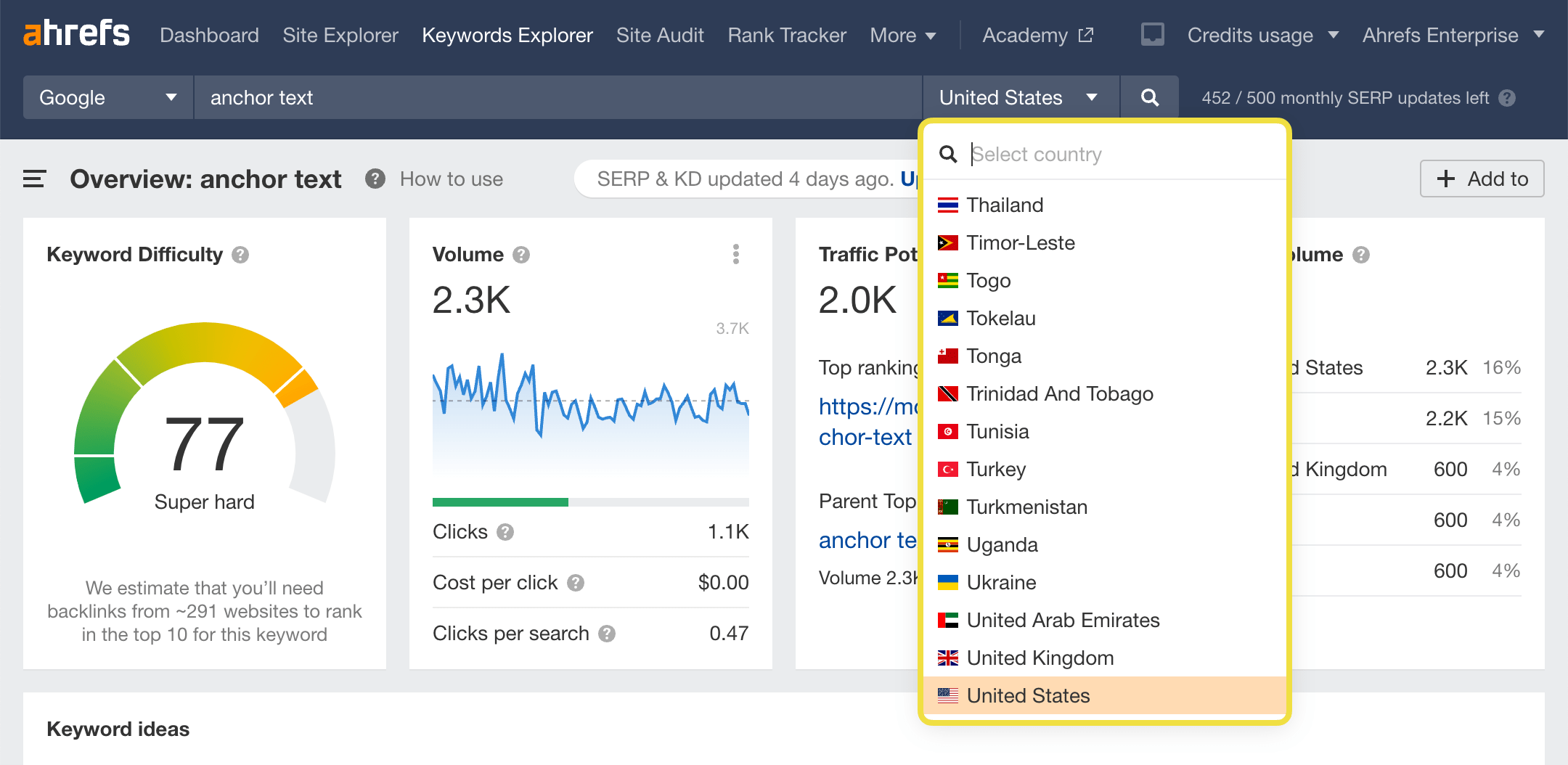
You examine a keyword in the early morning and see one position. Later on, you check once again and it's various. Nothing apparent changed, however the data doesn't match. This generally boils down to variables you're not managing. Location, device, even timing. As soon as these factors get in the process, consistency becomes harder to preserve.
The majority of tools are constructed for quick checks, not continuous tracking. They do a good task when the keyword list is little. Some keywords upgrade, others do not.
Tracking a couple of keywords is generally reactive. When you shift to bulk tracking, it becomes constant.
They become trends over time. This alters how you read efficiency. You're not asking "where do I rank today," but "how is this keyword moving over time." That shift makes tracking better, however likewise more requiring. At scale, one version of ranking information is not enough. A keyword can act in a different way depending on where and how it's searched.
Instead of scattered checks, you get constant information throughout places and gadgets, making seo rank tracking more trustworthy. As volume increases, so does intricacy. Not every keyword updates at the very same time. Not every result behaves consistently. You begin seeing spaces where information is missing out on, and noise where rankings change without clear patterns.
How to Develop Scalable Scrapers With Python
Often it's an information collection concern. Once the keyword list gets bigger, the old method of inspecting rankings quits working. A Bulk SERP Rank Checker does not run one keyword after another like a manual workflow. It groups keywords into batches and processes them at the same time. That is what makes big keyword tracking possible.
boost rankings with proxiesA good bulk keyword rank checker or serp checker tool depends upon this process to keep ranking data quick and consistent. Manual tracking depends upon duplicated searches, which quickly ends up being unpleasant. Automated systems work differently. They send out requests utilizing fixed settings such as keyword, area, and gadget, then gather the outcomes directly.
A reliable Google ranking tracker requires that level of control; the ranking data ends up being harder to rely on for continuous seo rank monitoring. Search outcomes are unpleasant when collected in raw form. They need to be cleaned up, arranged, and mapped effectively before they end up being beneficial. The system extracts the important parts such as position, URL, and keyword, then turns them into structured output.
For most groups, ranking information is not restricted to one area or a little keyword set. Rather of checking separated keywords, teams rely on a Bulk SERP Rank Checker to get a consistent view across markets.
When an algorithm update rolls out, rankings rarely shift in a clean pattern. Some keywords drop, others improve, and many vary over time. Teams do not look at one keyword.
Modern Intelligent SEO Platforms for Complex Search Needs
Groups require to show development, identify problems, and explain changes clearly. Bulk tracking supports this by supplying consistent datasets for audits. You can compare previous and present rankings, spot drops, and emphasize enhancements without manually assembling data. It also streamlines reporting. Instead of pulling scattered outcomes, whatever is currently arranged and all set to examine.
As websites broaden, new pages, subjects, and variations keep adding to the list. At the exact same time, search results page are getting more competitive. Rankings shift regularly, and small movements can affect presence. Tracking a restricted set of keywords no longer reflects general efficiency. You might see stable positions on a few terms, while hundreds of others are moving undetected.
boost rankings with proxiesThe information exists, however it's not being tracked consistently. A Bulk SERP Rank Checker helps bridge that space by covering the complete keyword set rather of a small sample. Manual tracking sufficed when keyword lists were little and modifications were slower. That is no longer the case. Duplicating the same checks across numerous keywords, areas, and devices produces more noise than insight.