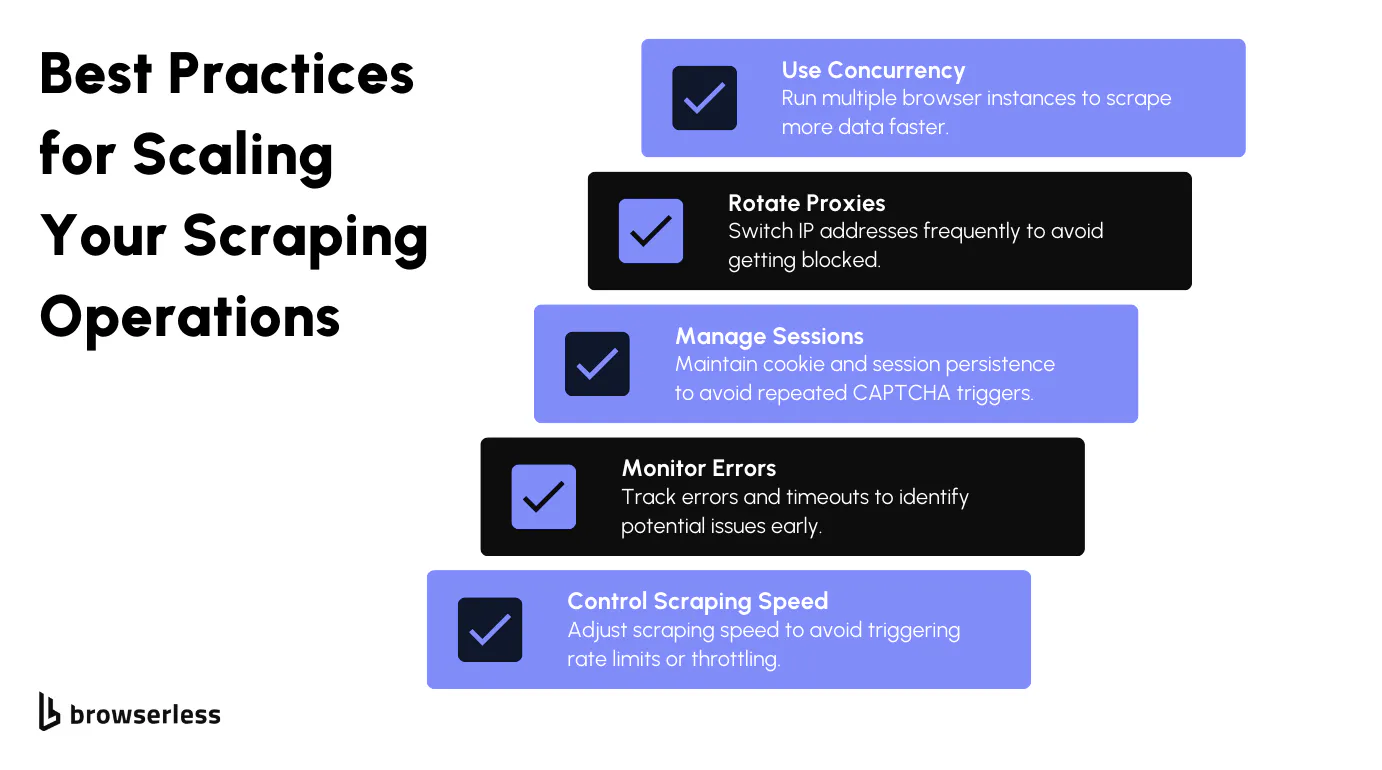
Pro Tips for Maintaining Stable Scraping Pipelines
The root causes of failure typically fall into 3 categories: client-side web browser problems, network limitations, or backend configuration errors. Outdated internet browsers or aggressive privacy plugins (like advertisement blockers) often remove the JavaScript required for reCAPTCHA to operate.
When debugging on the server side, Google offers particular error codes that describe why a verification attempt failed. Understanding these is crucial for fixing the problem. If users see a generic message, it often correlates with timeout-or-duplicate meaning they took too long to resolve the puzzle or the page was idle for too long.
Google frequently updates reCAPTCHA security protocols. Older browser versions (specifically Internet Explorer or obsoleted Chrome develops) might not support the latest file encryption standards.
How to Avoid Advanced Crawler DetectionClearing your cache ensures you are fetching a fresh version of the reCAPTCHA script. Designers should make sure the script is loaded properly in the or before the closing tag:
Benefits of Using Premium Residential Systems
Shut off your VPN to check if the connection brings back. Often local ISP DNS servers fail to deal with Google's domains. Changing to Google Public DNS (8.8.8.8/ 8.8.4.4) or Cloudflare (1.1.1.1) can fix connection concerns. If you remain in a business environment, make sure that *, *, and * are whitelisted.

Ensure your (client-side) and (server-side) match precisely what remains in your reCAPTCHA admin console. Also, validate that the domain you are evaluating on is noted in the "Domains" area of the console. A mismatch here will activate an "Invalid domain for website crucial" error. A reCAPTCHA token is generally valid for 2 minutes.