Bypassing Adaptive Bot Detection Methods
Getting blocked while scraping competitor costs or managing multiple social media accounts? In 2026, sites have gotten extremely proficient at identifying bots, and the best domestic proxy suppliers are how scrapers keep working. Routine datacenter proxies don't cut it anymore - they get flagged within minutes. Residential proxies path your traffic through genuine household IP addresses, so your demands appear like they're coming from real users.
I've spent the past month testing 15 domestic proxy companies, running over 100,000 demands across various target sites. This guide breaks down which service providers actually provide on their pledges, the concealed expenses nobody discusses, and the technical techniques that separate successful scraping operations from banned ones. A domestic proxy uses an IP address assigned by a Web Service Provider to a real home device - somebody's laptop computer, phone, or home router.
When you send a request through a property proxy, the target website sees a legitimate property connection. It looks similar to a routine person searching from their home internet. That's why platforms like Amazon, Google, and TikTok can't quickly block them - they 'd risk obstructing real consumers. Here's what actually happens when you use a residential proxy: You make a demand (scrape a product page, examine a rival's advertisement, and so on)The request routes through a residential IP from the proxy poolThe website sees traffic from a genuine ISP in a real locationYour actual IP stays hidden, appearing only to the proxy providerThe catch? Residential IPs expense 5-10x more than datacenter proxies since service providers need to source them from genuine users.
Others use peer-to-peer networks where people choose in to share their bandwidth in exchange for benefits like totally free VPN access or ad-free surfing. I ran each service provider through three tests: scraping Amazon item data (well-known for obstructing bots), accessing geo-restricted material from numerous nations, and keeping an eye on social networks at scale.
Service Provider Swimming Pool Size Beginning Price Success Rate Best For Roundproxies 119M+ IPs $1.50/ GB 96.5% Spending plan scraping + multi-accounting Proxy-Seller 20M+ IPs $0.70/ GB 99.1% Business scraping Bright Data 72M+ IPs $3.00/ GB 97.8% Advanced includes IPRoyal 10M+ IPs $1.00/ GB 93.4% Budget plan option Proxy-Cheap 24+ nations $3.39/ mo/IP 97% Endless bandwidth static IPs NetNut 85M+ IPs $3.45/ GB 99.0% Premium places SOAX 155M+ IPs $4.50/ GB 98.5% Versatile targeting Decodo 115M+ IPs $4.50/ GB 97.5% Flexible targeting Success rates measured across 10,000 demands to major e-commerce sites over 72 hours Utilized their rotating domestic proxies to scrape 5,000 products from Amazon DE station over 7 days.
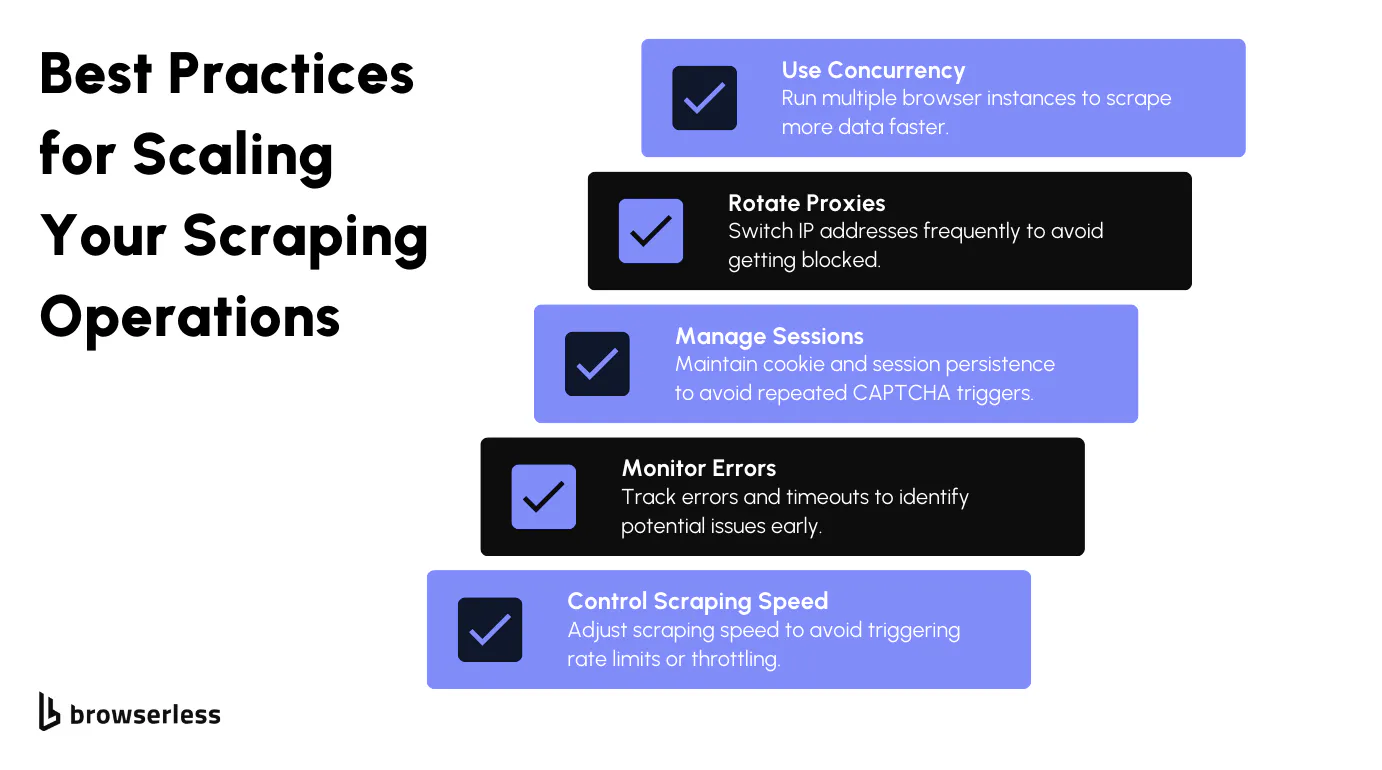
Best Practices for Maintaining High IP Availability Rates
Throughout my tests, I kept a 99.9% success rate scraping Amazon without a single CAPTCHA popup. That's remarkable. Their IP rotation happens at the backconnect level, indicating you get a new IP per demand instantly without handling it yourself. For many utilize cases, this is exactly what you desire. You can also target particular ASNs, Countries, Cities - which supplies more targeting alternatives than the majority of suppliers.
Non-expiring traffic indicates you can buy 50GB, utilize it over three months, and not lose money on unused bandwidth. The control panel might be more user-friendly. Finding advanced settings like ASN targeting needs digging through menus. Also, their "Premium" tier does not feel exceptional enough to validate the 2x cost jump. Little to medium (or big) businesses running regular scraping operations.
Ran 8,000 demands throughout Google SERPs and three significant e-commerce platforms over 10 days. Checked sticky sessions for managing multiple social media profiles.Proxy-Seller has been around given that 2014, which means something in a market where suppliers appear and vanish every couple of months. Their residential pool sits at 20M+IPs throughout 220+ countries-smaller sized than the huge gamers, however the IPs are clean and properly maintained. Not the highest on this list, but solid for the price point.
Automated SEO Tools to Watch in 2026The 20M IP pool is visibly smaller than Oxylabs or Bright Data. On aggressive targets like LinkedIn or Facebook, you'll see more IP reuse than you would with a 100M +pool. Bright Data (formerly Luminati) provides 72 million residential IPs with probably the most innovative function set in the market.